RMF Logo

Article filters

Search Papers:

For searching before 2024 see Archive (2000-2023)
History

The Mexican Society of Phytopathology (MSP), founded in 1958, credited Daniel Téliz-Ortíz and Santiago Delgado-Sánchez with launching the Revista Fitopatología in 1962, now known as the Revista Mexicana de Fitopatología, Mexican Journal of Phytopathology (RMF/MJP), but it was not until 1966 (Vol. 1, No. 1, November) that the first volume was published. It was conceived with the following objectives: 1) To promote the study of plant diseases, 2) To bring together individuals involved in the study or application of phytopathology, 3) To foster among its members a spirit of research, outreach, and the overall advancement of phytopathology in Mexico, 4) To promote the creation of herbariums and collections of phytopathogens. From its inception, the RMF/MJP was conceived as a vehicle for disseminating information on behalf of the SMF and for promoting plant pathology in Mexico. Initial efforts were published at irregular intervals. In 1981, it resumed publication with Volume 1(1). With seven Editors-in-Chief throughout its history—affiliated with various institutions, such as INIFAP and COLPOS, among others—the RMF/MJP has maintained a conventional, honorary editorial structure and a double-blind peer-review system in collaboration with Associate Editors, Editors Transdisciplinary Associate Editors, Reviewers, and Proofreaders from more than 50 institutions and abroad. With the exception of one evaluation in the 1990s, the RMF/MJP has consistently been listed among journals recognized by SECIHTI, as well as SciELO, CROSSREF, and other indexing systems.

The thematic content of the RMF/MJP has reflected national and international scientific developments. In the early volumes (1980s), etiological, epidemiological, and management aspects predominated in the areas of fungi (100 publications), viruses (45), nematodes (10), and bacteria (5). Currently, the trend is similar, with an emphasis on biological control, the use of biorational products, and omics applications.

In 2012, the RMF/MJP transitioned to a digital open-access format, becoming a pioneering journal in Mexico in the use of web platforms, advance DOI publication, and mobile app management (RMFFito). In this new phase, the publication frequency increased to three issues per year, and new sections were introduced: Scientific Articles, Review Articles, Phytopathological Notes, Phytopathological Reports, and currently Letters to the Editor, Special Issues, and Books by authors with recognized expertise in the field of Phytopathology. Likewise, the journal launched a series of supplements featuring proceedings from SMF conferences. To date, the collection consists of 27 of 44 volumes (volumes prior to 2000 are currently being digitized), 13 supplements, and six Special Issues. In Latin America, the RMF/MJP and the RFC (Colombia) stand out as the oldest journals affiliated with scientific societies, a major challenge in the face of the growing trend toward digital science and the concentration of journals within publishing consortia with commercial agendas. In this context, the RMF/MJP reaffirms its commitment to the development of national and international plant pathology with a scientific, professional association-based vision.

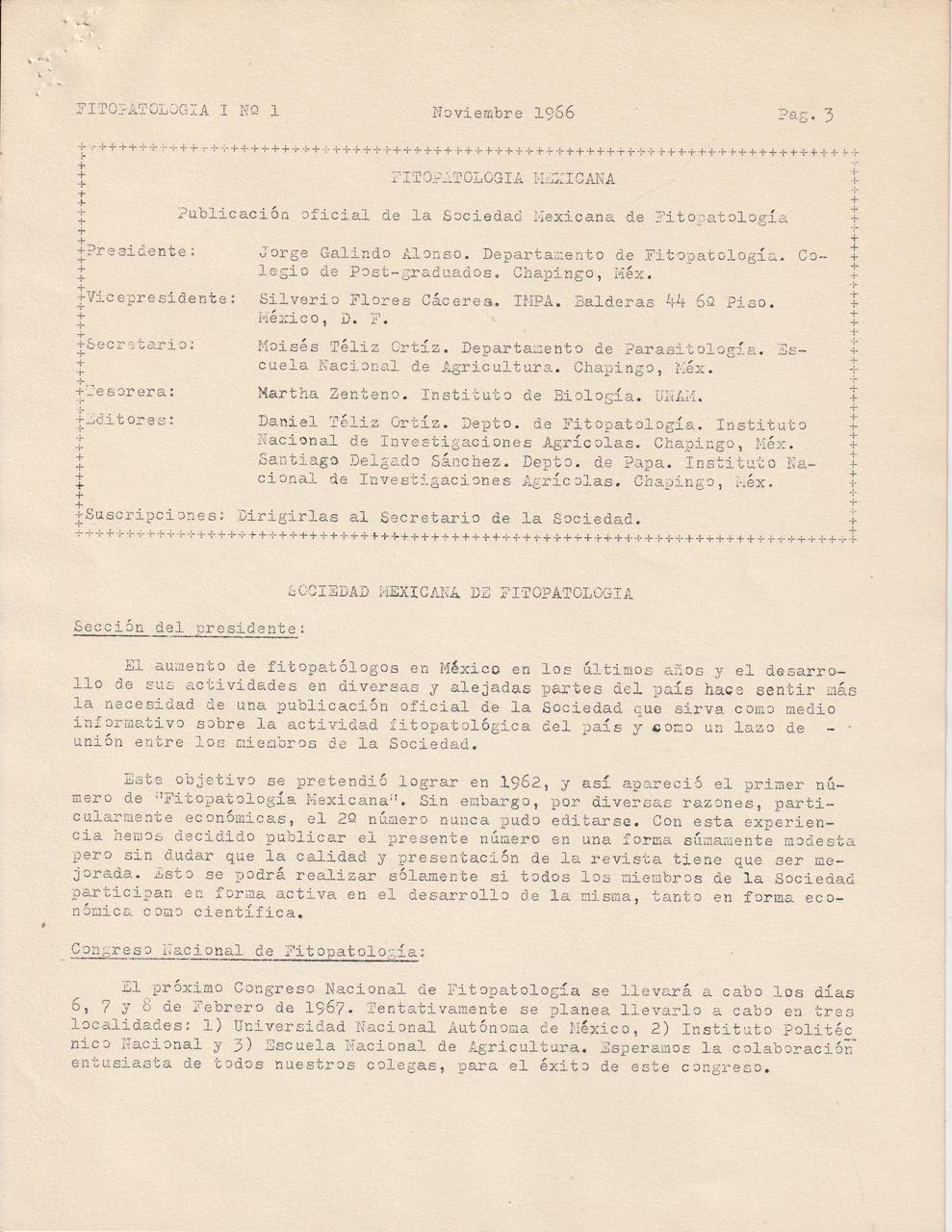
Volumen I, Noviembre 1966, Número 1
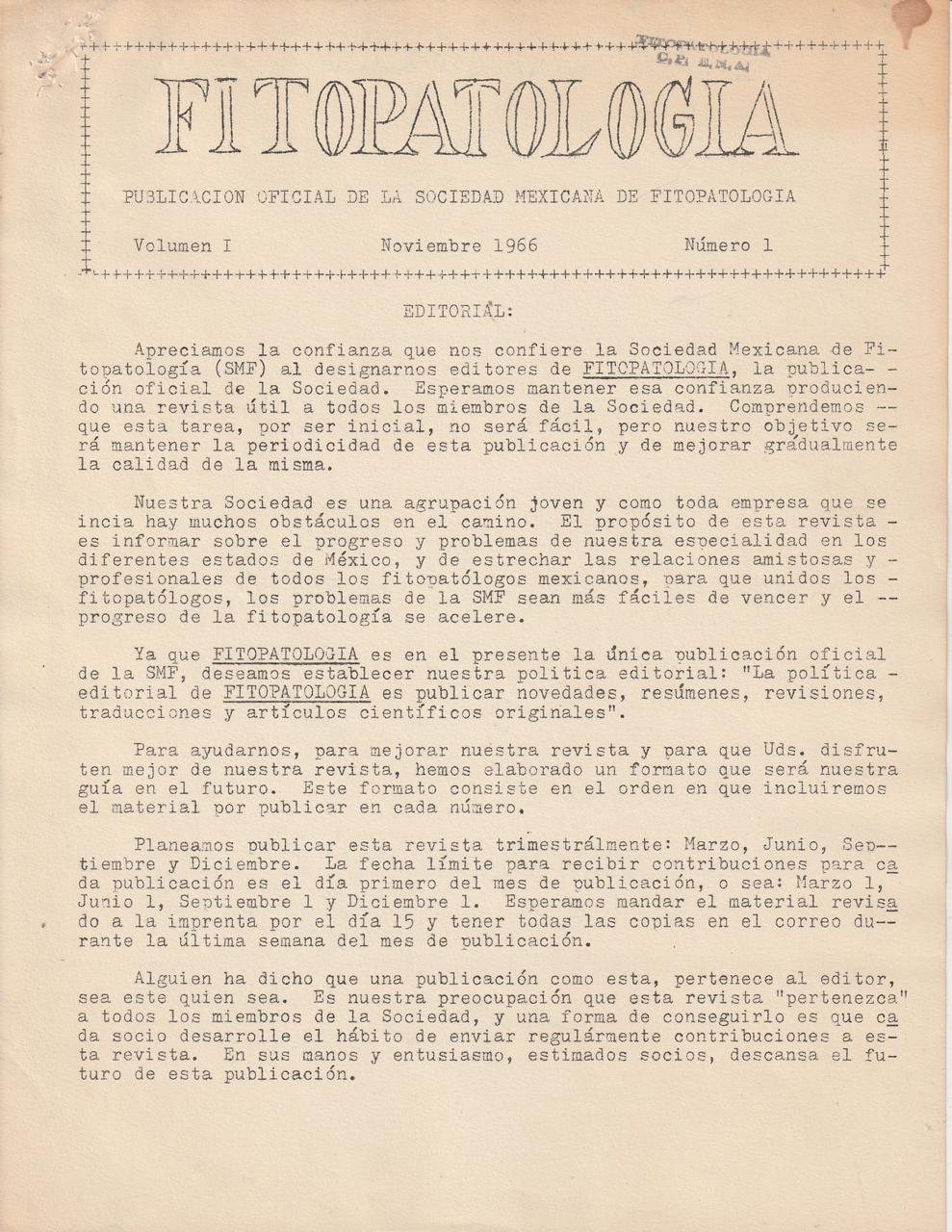
Editores (Volumen I, Noviembre 1966, Número 1)

Mesa Directiva (Volumen I, Noviembre 1966, Número 1)
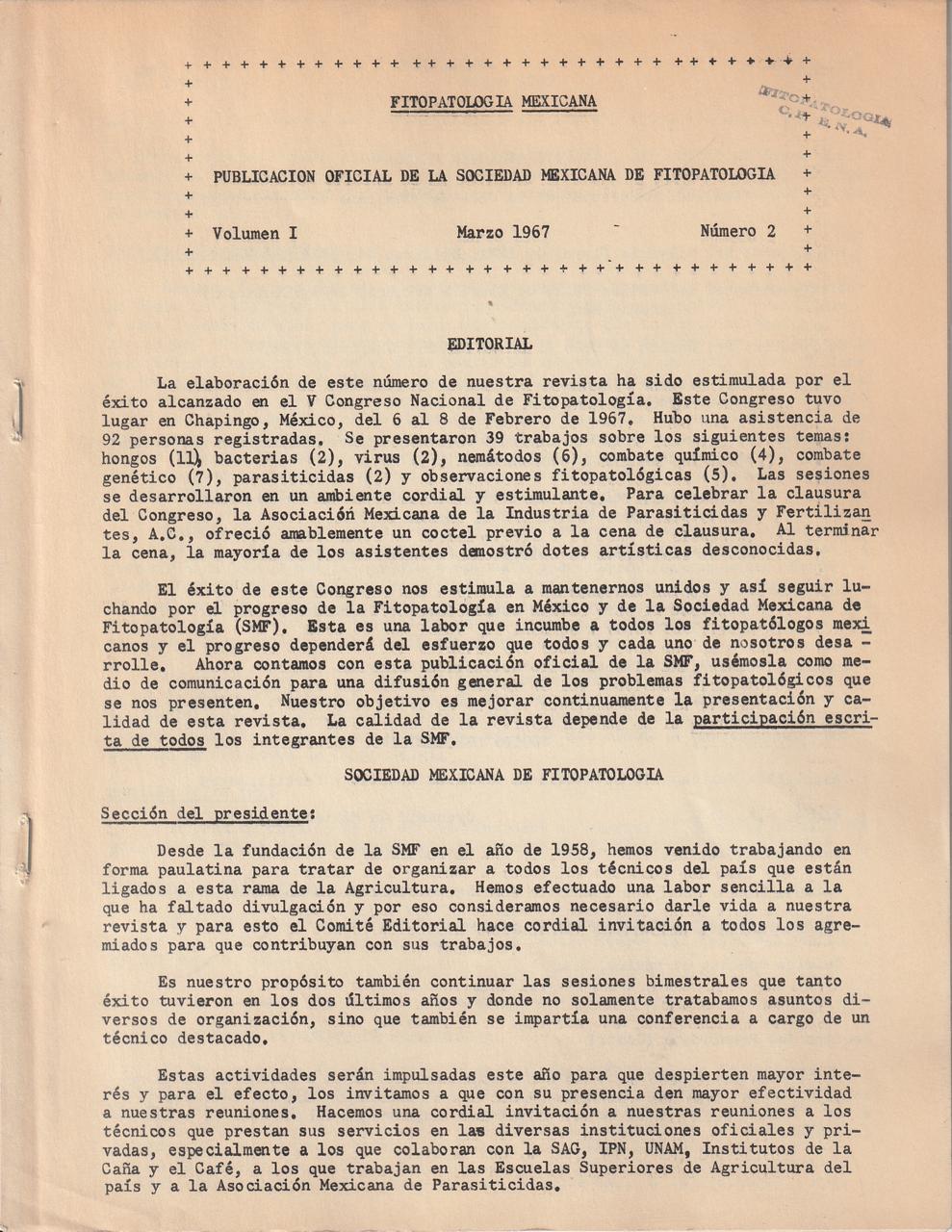
Volumen I, Marzo 1967, Número 2
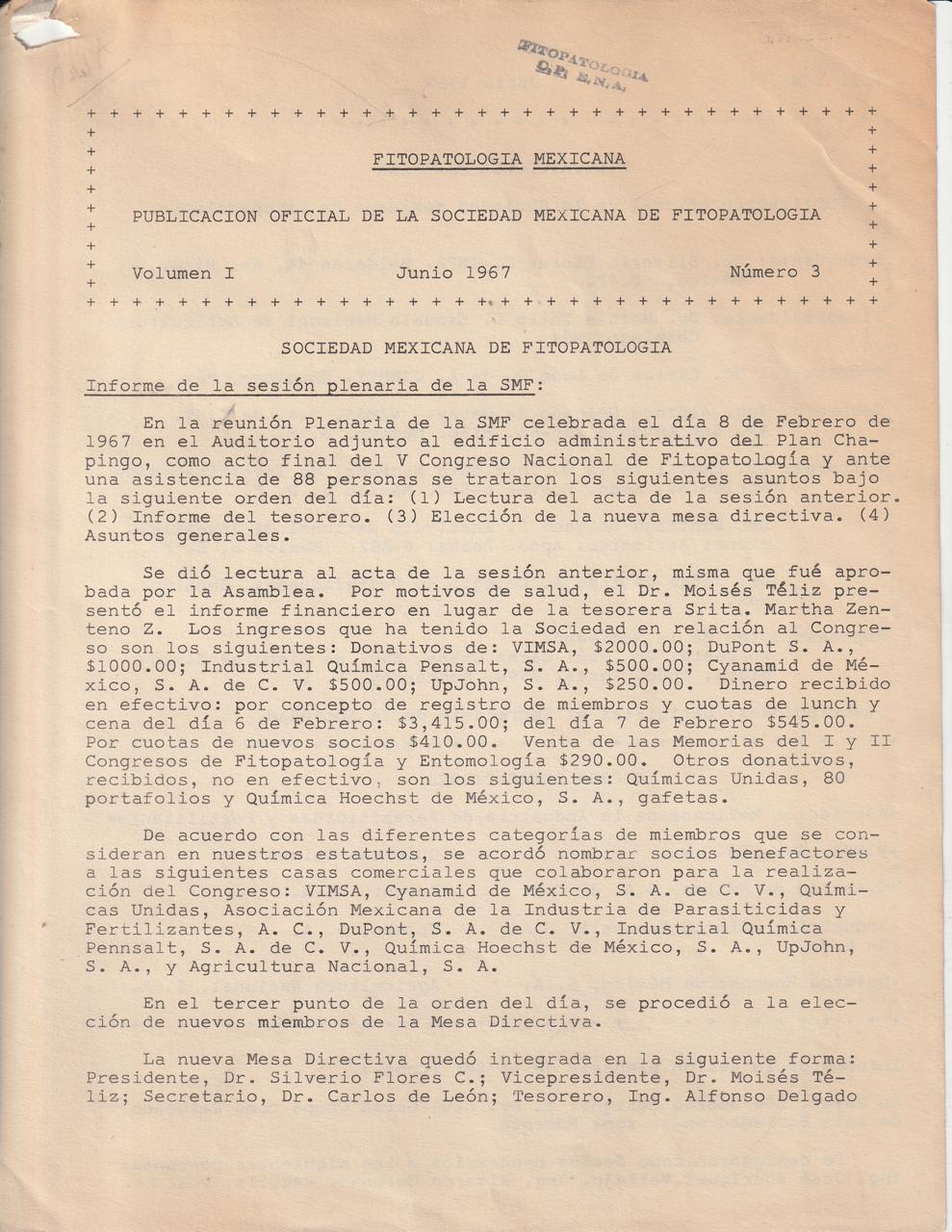
Volumen I, Junio 1967, Número 3
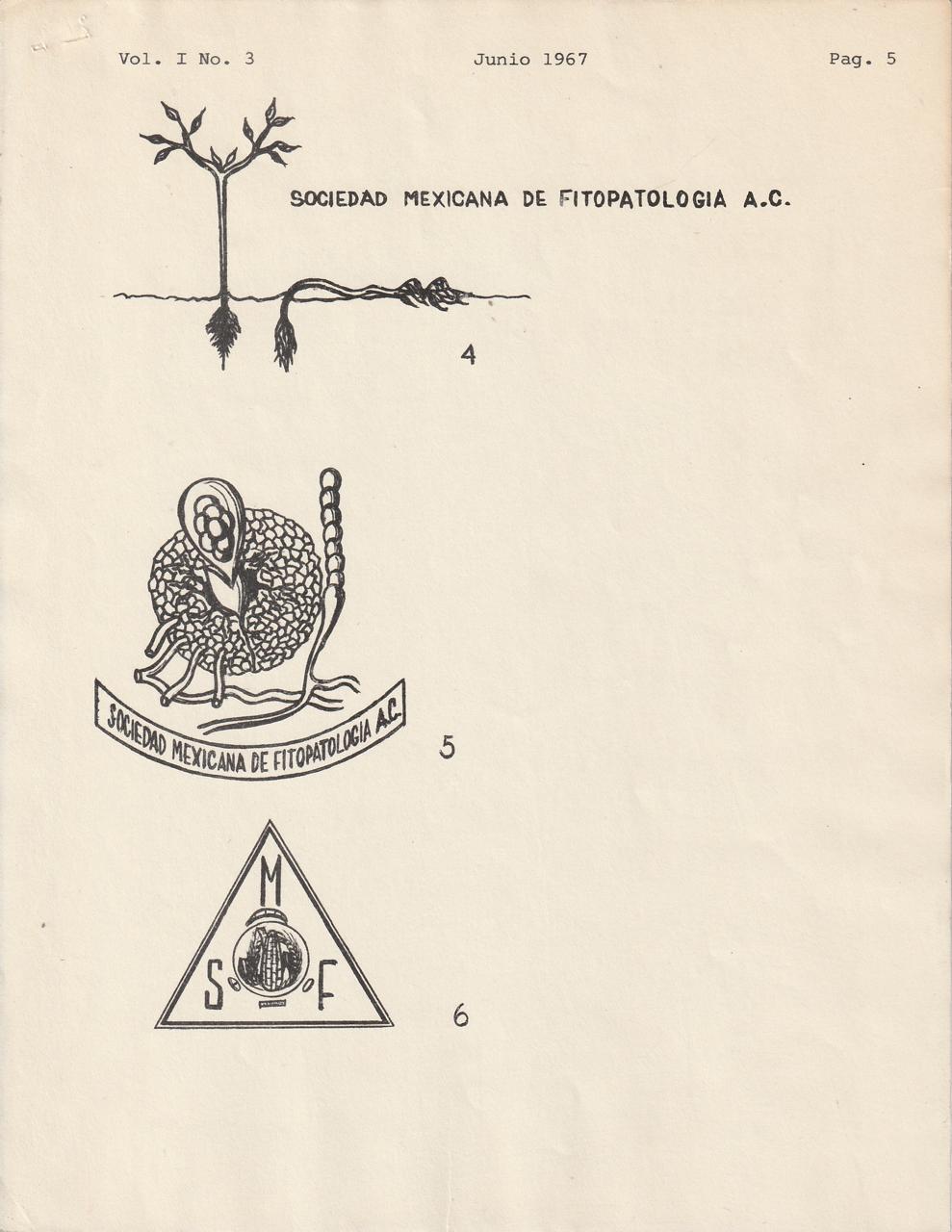
Fotografías Propuestas para el Logo RMF
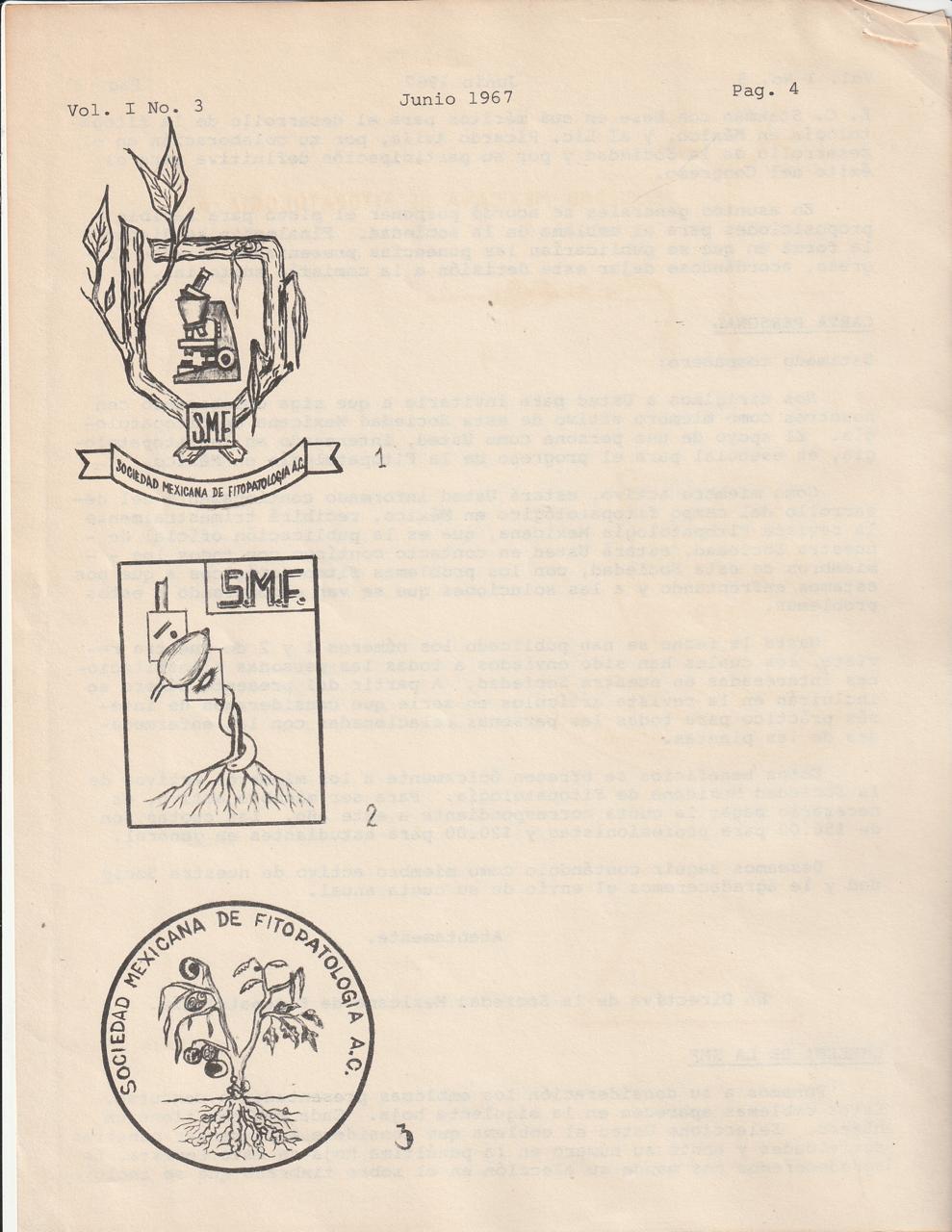
Fotografías Propuestas para el Logo RMF

Phylosophy, Objective and Scope

Philosophy

The RMF/MJP strongly reaffirms the institutional philosophy and principles that have guided its governance since the founding of the Mexican Society of Phytopathology, A.C. (MSP) in 1958.

The RMF/MJP serves as the official and legal vehicle for scientific communication. The MSP Assembly and Board of Directors support and oversee the functions of the Editorial Committee, ensuring that the journal operates independently in its scientific decisions, upholding ethical standards and values of equity and inclusion, and acting in accordance with the MSP’s fundamental mission: to promote and advance the dissemination of plant pathology research in Mexico, Latin America, and globally.

  • Independence from Commercial Publishing Conglomerates: The RMF/MJP maintains a stance of absolute independence from large publishing conglomerates. The journal refuses to hand over its archive, metadata, or platform administration to companies that subject access to knowledge to commercial barriers.
  • Commitment to Open and Sustainable Science: As a journal funded and supported collectively by the MSP, the journal operates under a purely public, academic, and nonprofit model (non-commercial APC), ensuring that editorial decisions rest exclusively with the scientific community in order to contribute to the scientific development of plant pathology in Mexico, countries in the region, and globally.
  • Promoter of National and International Plant Pathology: The journal takes pride in its roots and its historical role in regional agricultural development. It reaffirms its commitment as a Mexican platform of excellence that showcases plant pathology to the world. Its bilingual infrastructure seeks to provide equal opportunities—with the same rigor—both to critical research that offers solutions for managing emerging diseases and epidemiological outbreaks in Mexico’s agricultural sector, and to cutting-edge technological innovations developed at international research centers and institutions of higher education.

Objective

The RMF / MJP publishes comprehensive coverage of plant pathology with the aim of providing basic and applied knowledge, generated with scientific rigor, to contribute to the control and management of agricultural crop diseases. The target audience consists of researchers at public research centers and institutions of higher education, undergraduate and graduate students, and technicians from Mexico and other countries who share an interest in crop health—primarily in Latin America—due to similarities in academic models and agroecological conditions.

With this approach, we are actively contributing to the formation of a virtuous inter-institutional network with a regional and global phytopathological vision, thereby consolidating plant pathology as an essential science for agri-food security.

Scientific Scope and Thematic Coverage

The RMF/MJP is distinguished by its comprehensive approach to plant health, addressing both the study of diseases from all etiological perspectives—including those of a physiological nature—and the development of sustainable control and management strategies. Its scientific output combines classical plant pathology (etiology, histology, plant-pathogen interaction -pathogen interactions, epidemiology, and control/management) with cutting-edge applied disciplines (e.g., omics, molecular biology, molecular epidemiology, SAR resistance induction, biological control, and bioactive compounds), positioning itself as a unifying force between the knowledge generated and the search for traditional and emerging technological solutions for plant protection.

Traditional and Cutting-Edge Areas of Knowledge in Plant Pathology

The scope of the RMF/MJP quarterly (regular) publications includes rigorous experimental or exploratory research, avoiding in all cases the use of AI to generate data outside a rational scientific framework. The RMF/MJP publishes, but is not limited to, the following areas:

  • Mycology, Bacteriology, Virology, and Nematology: Classical and genomic (genic and phylogenetic) etiological analysis, and plant-pathogen interactions at the histological, pathogenic, and functional (transcriptomic, proteomic) levels. Population genomics applied to understanding structural dynamics resulting from climate effects, agricultural management, evolutionary processes, etc. Manuscripts based on excessive genome mining of samples with limited biological and environmental scope are not accepted, given the low likelihood of robustly demonstrating phylogenetic or etiological hypotheses, which would reduce the article to a descriptive bioinformatics exercise.
  • Ecology and Epidemiology: The effect of the environment and agricultural technologies on the composition, diversity, and prevalence of plant pathogens and beneficial microorganisms (e.g., Bacillus, Trichoderma) at the level of morphotypes/isolates or genomic variants. Studies at the taxonomic, functional, or ecological level of ectophytic and endophytic organisms related to the vulnerability and sustainability of crop species and related wild species. Quantitative analyses to estimate epidemic rates, damage, and yield losses under controlled conditions or at the commercial field level.
  • Control/Management using traditional and cutting-edge approaches: Effect of chemical, microbiological, and physical strategies, as well as natural extracts, on the suppression of plant pathogens. Resistance inducers and growth promoters in tolerance to infectious processes. In general, any innovative strategy for managing plant pathogens that is based on a sound, well-supported rational and experimental foundation. Studies on biological efficacy derived from contracts with companies are not accepted due to potential conflicts of commercial interest.
Mission

The Revista Mexicana de Fitopatología / Mexican Journal of Phytopathology (RMF/MJP), the official journal of the Mexican Society of Phytopathology, A.C. (MSP), is dedicated to promoting, evaluating, and disseminating original and unpublished scientific knowledge internationally through high-quality, cutting-edge publications related to plant diseases of agri-food interest. Content is distributed under an open-access, bilingual model. The RMF/MJP focuses on disseminating research related to the reality of agricultural plant pathology in order to contribute to the sustainable management of crops and to the scientific advancement of Phytopathology in Mexico and globally.

Focus on Solving Health Problems in Agricultural Crops

The RMF/MJP publishes articles on current topics in Phytopathology through Regular Issues and Special Issues. The purpose is to feature research that provides timely etiological and epidemiological information, as well as applicable and sustainable management alternatives, to help solve emerging or endemic plant health problems that impact agricultural production.

Additionally, the RMF/MJP has been entrusted by the SMF to publish the proceedings of its annual national and international conferences in a Special Supplement, which is peer-reviewed and edited according to the same editorial criteria as the journal. This publication includes summaries of current research on a wide range of plant pathology topics in the agricultural sector of Mexico and other countries.

Vision

The RMF/MJP aims to be the leading international scientific publication focused on the health of agricultural crops in Latin America, consolidating its presence through quality, relevance, scientific rigor, high-impact journals, and global databases. Its goal is to maintain a multilingual and interactive web platform that fosters knowledge networks among academia, researchers, technicians, and decision-makers in the field of plant pathology within the global agricultural sector.


Editor in Chief

  • Dr. Gustavo Mora Aguilera, COLPOS, Méx.

Technical Associate Editor

  • Dra. Norma Ávila Alistac, UAdeO, Méx.

Editorial Assistance

  • M.C. I. Azucena Zamora Gallegos, SMF, Méx.

Web Management and Edition

  • M.C. Oscar Eder Flores Colorado, CP-LANREF, Méx.
  • M.C. Eduardo Guzman Hernandez, CP-LANREF, Méx.

Administrative Affairs

  • Lic. Leticia Mendoza Salinas

Editorial Planning

  • SMF Board of Directors and Members

Authors guide